- 615 Janopaul Ln. Modesto, CA
- info@stumpmfg.com
- (209) 596-4029
- Open Mon - Fri, 7am - 3:30pm
Designed, Engineered, Constructed and Installed Fire Training Towers and Props
Stump Construction & Manufacturing produces state-of-the-art training structures + props to replicate real fire scenarios with searing heat, smoke-filled halls, and multi-floor rescue situations.
Explore our specialized fire training resources: NFPA 1403 compliant fire training structures, custom burn buildings, and live fire training solutions — each engineered for real-world conditions and built to last.
Funding a training facility? Browse our guide to fire department grants for training towers and props.
For departments focused on fire behavior training, see our custom flashover chambers.
We’ll partner with you to determine the best course of action for your training needs.
Your ideas are applied to develop a complete concept for your project
Ensuring structural integrity, safety, and regulatory compliance for the project
All necessary materials will be brought to your location for assembly of the structure
We handle the construction, installation, and final inspection adhering to specified design and quality standards
Our expertly equipped towers feature advanced heat monitoring systems for optimal safety and a smoke evacuation system to swiftly cool and clear the structure, ensuring a superior, controlled training environment.
–
Whether your training goals include full burn, non-burn, technical rescue, or tactical deployment, we deliver superior, innovative solutions.
Our portable burn room systems can be tailored for various high temperature tests and repeated fire scenarios.
–
These burn rooms are designed for class A fires and can be equipped with class B (propane) props as needed with propane control systems, fuel supplies, and generators for independent operation.
We manufacture a comprehensive range of fire training props, including burn rooms, flashover chambers, vehicle fire simulators, and industrial hazards.
–
These can be manufactured as either Class A (using wood or paper or cloth), or Class B (flammable liquids and gases). Whether for residential, industrial, or vehicle firefighting, our durable props enhance firefighter preparedness and safety.
PREVIOUS TACTICAL FIRE TRAINING UNIT PRODUCTIONS
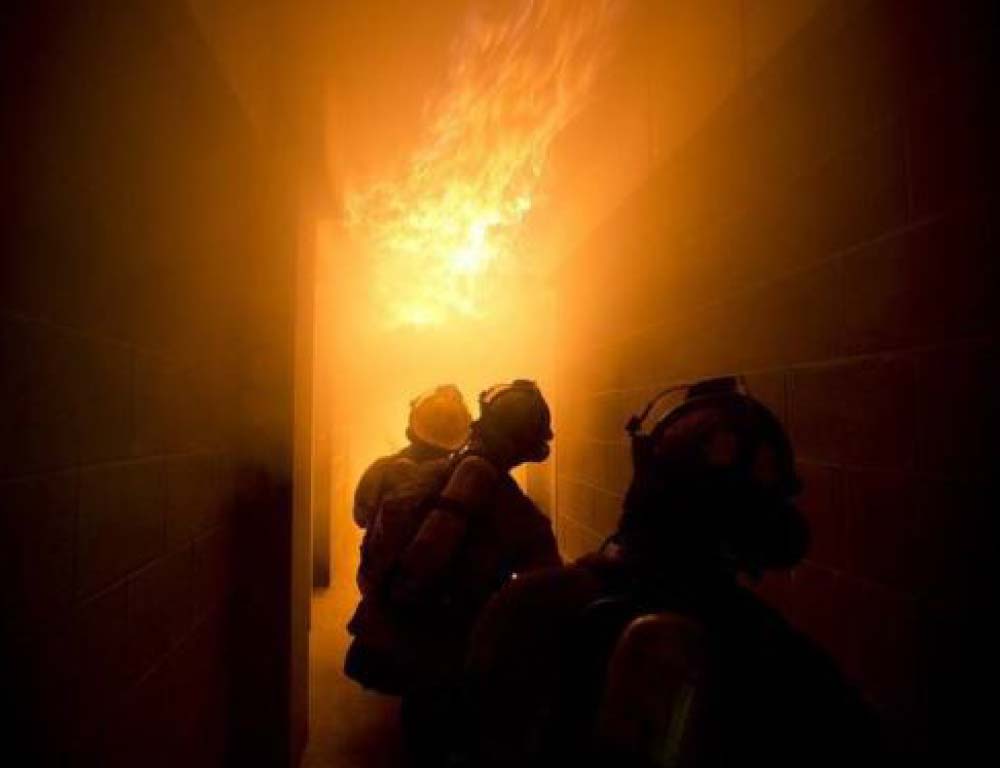
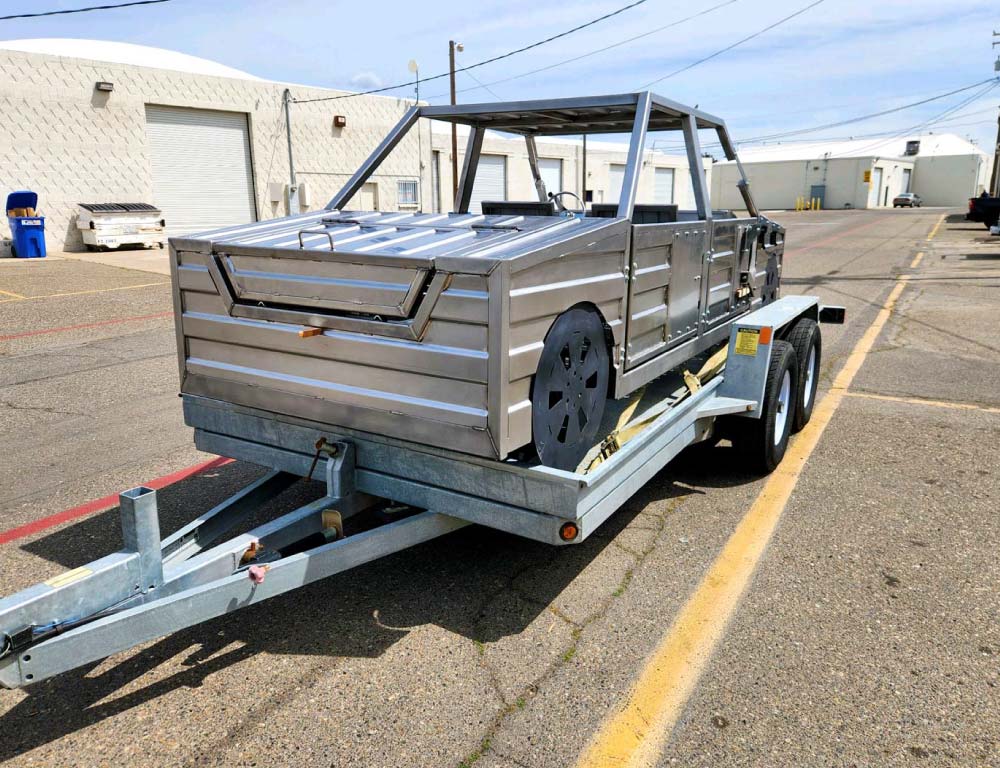
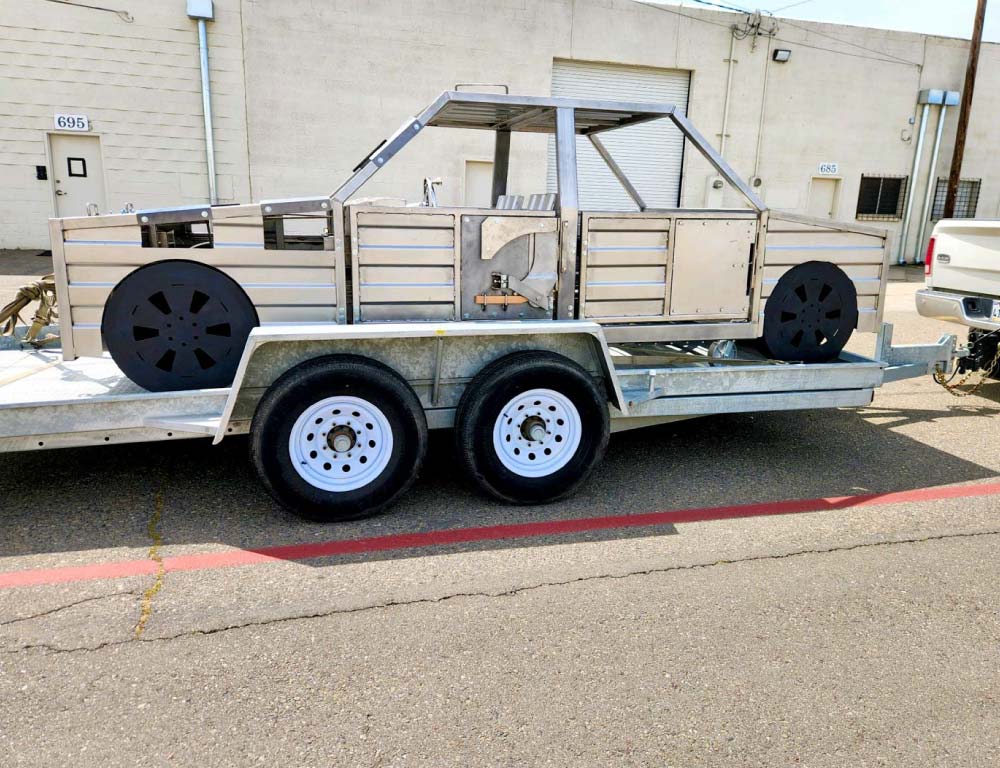
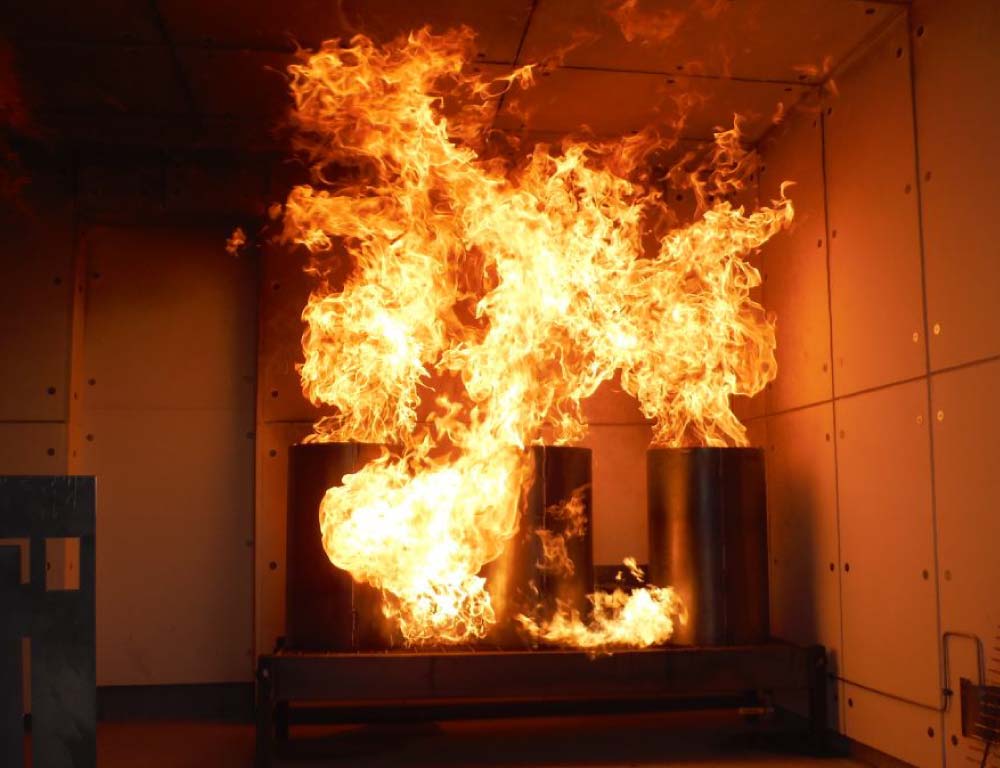
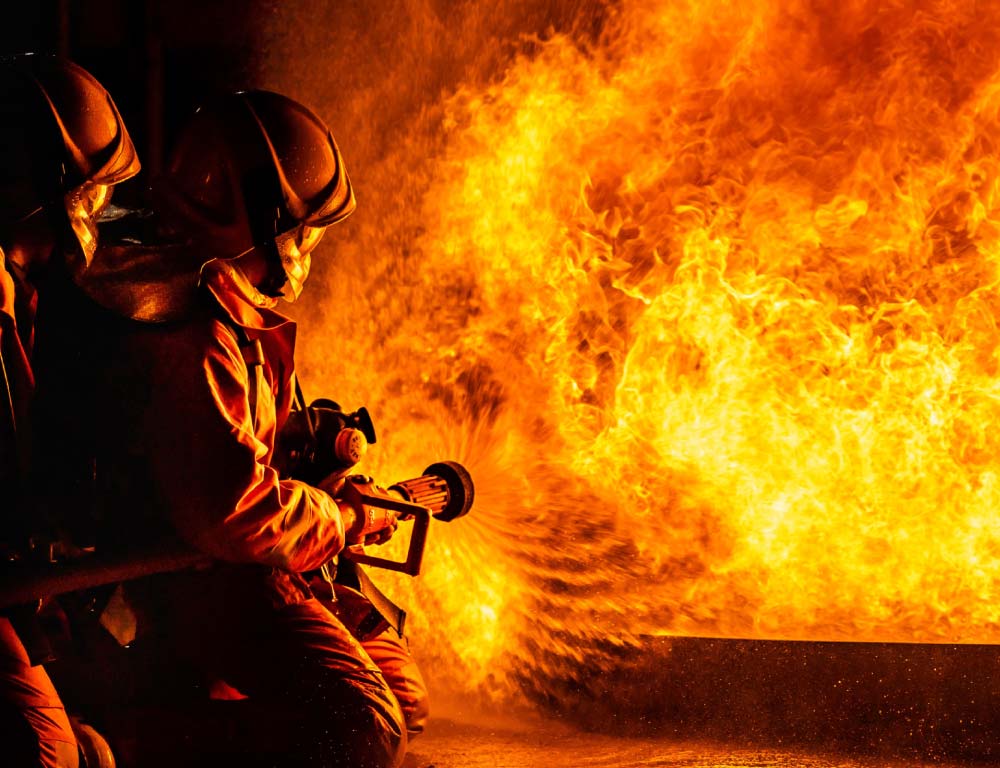
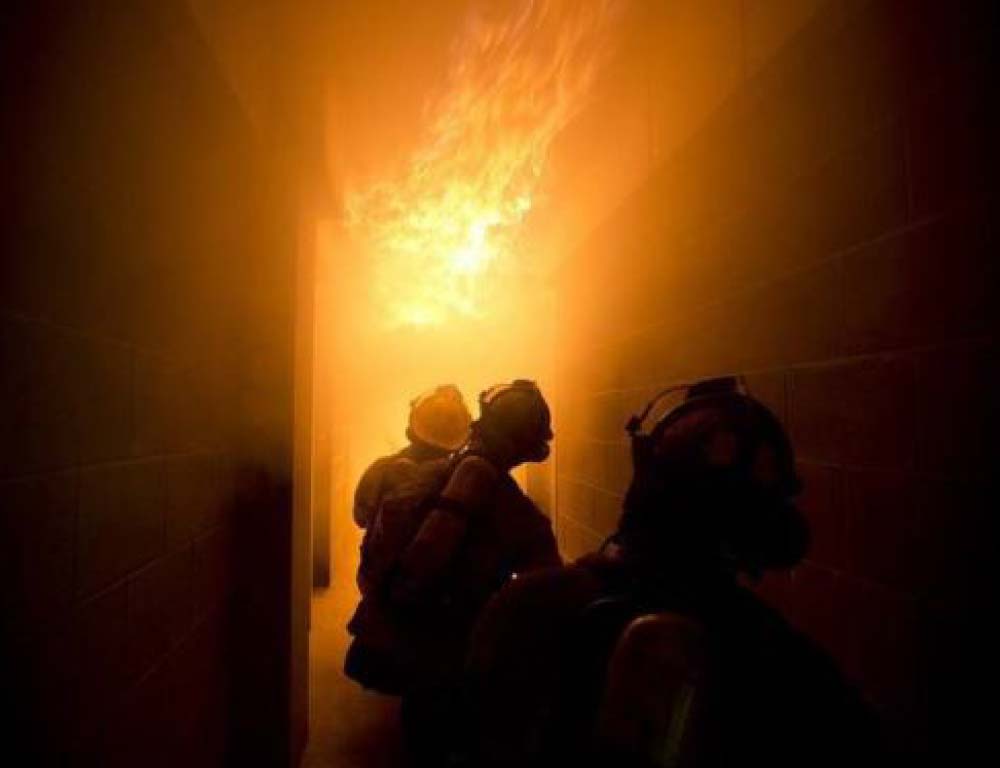
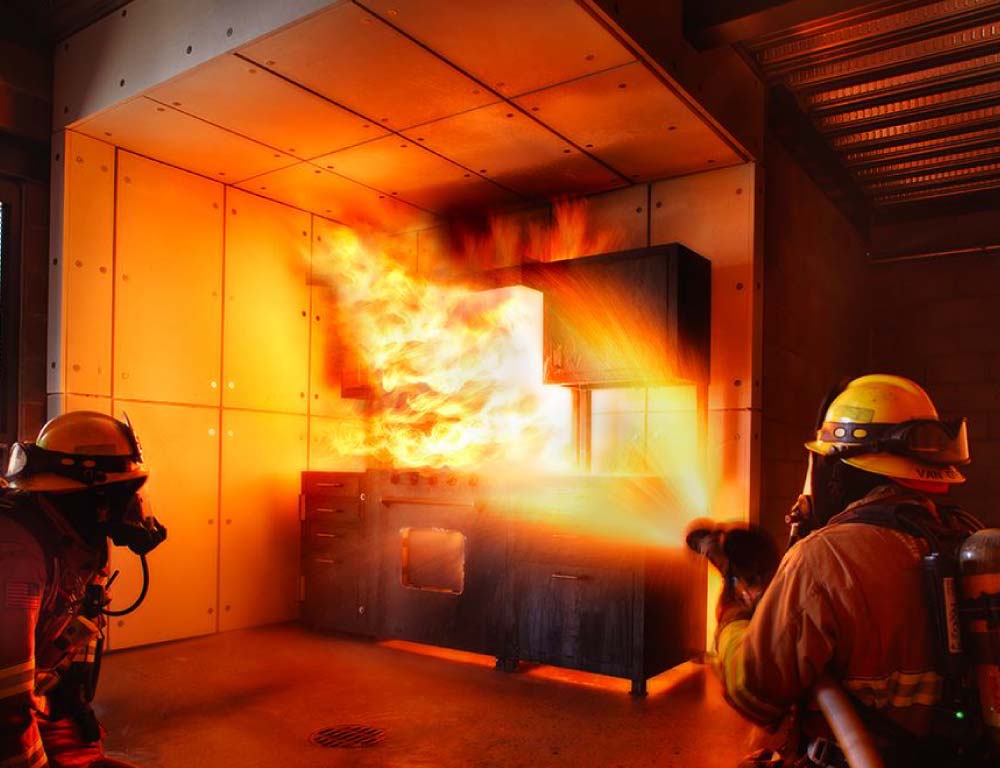
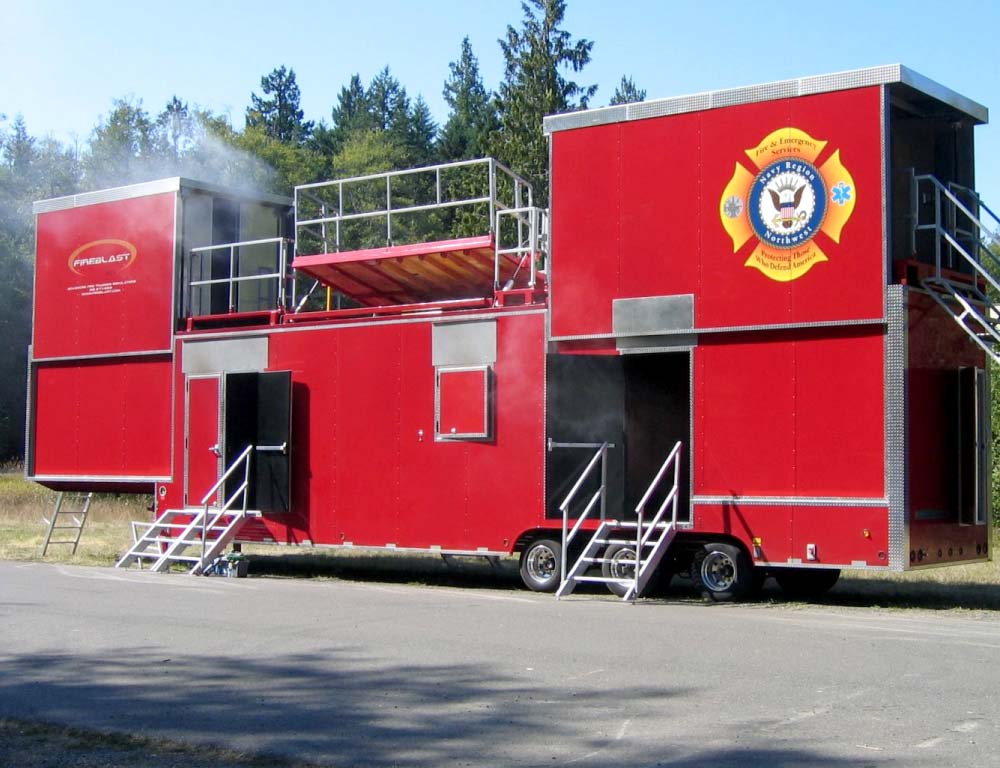
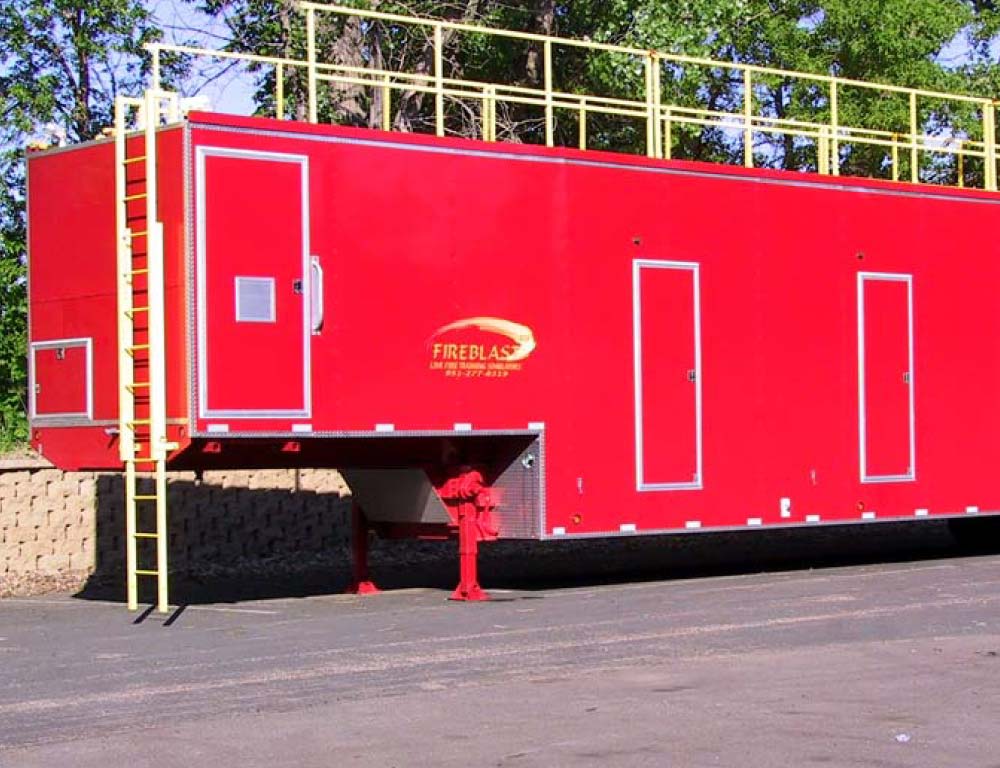
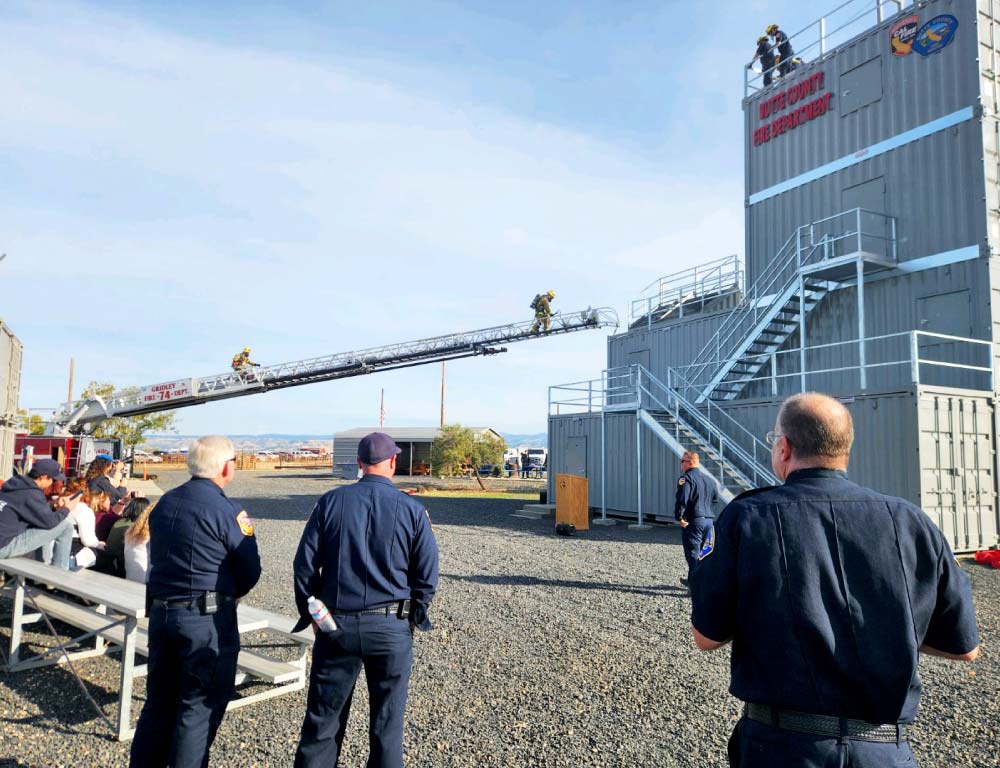
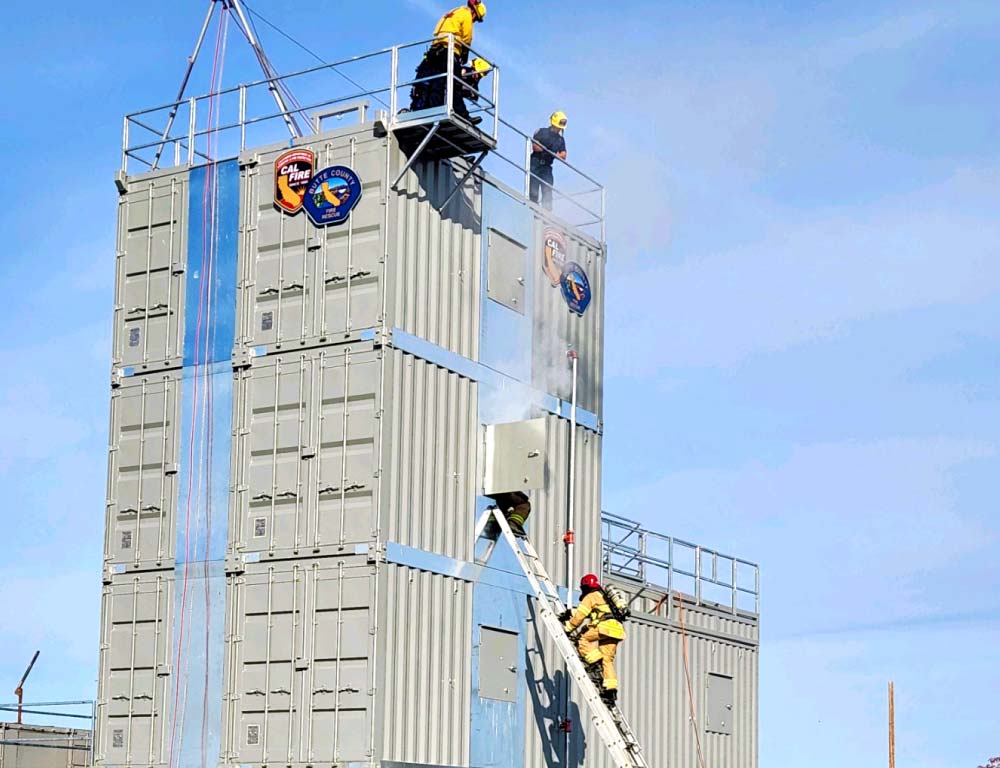
Let us help you develop your organization’s Tactical Fire Training Program. Based on your specific curriculum, we can customize and manufacture the various tools and props needed to accomplish your training goals.
Contact Us Now To Begin
First Steps will require a number of determinations based your program’s goals.
The following questions will be discussed during our discovery session. It will be important for you to have a gameplan regarding these questions.
The number of stories your tower requires directly determines its overall height and structural scope. Single-story props cover ground-level fundamentals, while multi-story configurations — typically two to five floors — unlock advanced scenarios like upper-floor rescue, stairwell navigation, and aerial ladder operations.
Your tower height should reflect the tallest structure type in your primary response area. Consider whether your scenarios require single-story residential, mid-rise commercial, or multi-story configurations — and factor in specialty needs like rooftop operations, confined space shafts, or basement access.
Training tower investment varies based on height, feature set, and exercise complexity. Defining a realistic budget range early allows Stump to engineer the right solution — maximizing capability within your constraints without sacrificing the scenarios your team needs most.
The design of your tower should mirror the buildings your team will encounter in the field. Whether your response area is primarily residential, commercial, or a mix of both, your training environment should replicate those real-world conditions as closely as possible.
Sloped roof configurations allow firefighters to practice footing, ladder placement, and ventilation techniques on pitched surfaces. Identify the most common roof pitch angles in your jurisdiction to ensure your tower reflects realistic conditions.
Vertical shaft training develops the skills needed for elevator shaft rescues, stairwell operations, and confined space extraction. Determine the shaft dimensions and access configurations your team is most likely to encounter.
Basement and below-grade scenarios present unique challenges including limited egress, heat buildup, and reduced visibility. Consider whether your program requires standalone basement props or integrated below-grade access as part of a multi-story tower.
Rooftop helicopter operations require open, reinforced platforms designed for airlift simulation, patient packaging, and hoist training. Confirm whether your program includes air medical or rescue helicopter coordination as part of your operational training requirements.
Open floor levels allow for flexible training configurations — from room search and clearing to multi-team tactical deployments. Define how many open levels your program requires and whether modular wall systems would expand your training versatility.
Live fire training requires purpose-built burn rooms, heat-rated construction, and compliance with NFPA 1402 standards. Determine whether your program calls for Class A materials (wood, paper, cloth), Class B propane props, or both.
Multiple independent burn areas allow simultaneous training evolutions, maximizing throughput for larger departments or multi-agency sessions. Identify how many crews you need to train concurrently to right-size your burn room configuration.
Ventilation training builds proficiency in rooftop cutting, horizontal ventilation, and positive pressure operations. Specify whether your program requires functional vent props, operational skylights, or full breach-and-entry panels.
Rappelling and rope rescue operations require rated anchor points, tie-off systems, and open-air access at height. Identify the minimum working height and number of simultaneous rappel stations your training program demands.
Room search and clearing scenarios train teams in methodical entry, victim location, and tactical movement under low-visibility conditions. Consider the number and layout of rooms needed, and whether smoke simulation capability is required.
Standpipe and riser training prepares crews for high-rise suppression operations using a building’s internal water supply system. Determine whether your tower requires a functional standpipe riser with hose connections at each floor level.
Balcony rescue scenarios develop skills for ladder-assisted patient removal and aerial platform operations. Identify the floor levels and railing configurations that reflect the structures most common in your response district.
Forced entry training requires doors, frames, and hardware engineered to withstand repeated breaching cycles. Specify the door types — residential, commercial, or security-grade — and the replacement cadence your program requires.
Smoke distribution systems dramatically increase training realism by creating low-visibility conditions for navigation, search, and suppression exercises without combustion byproducts. Determine whether a centralized or zone-based system best suits your tower’s layout.
Multi-agency use increases training ROI but requires careful consideration of scheduling, access protocols, and configuration flexibility. If your tower will serve neighboring departments, modular features and standardized layouts will support a broader range of programs.
Law enforcement training introduces scenarios like tactical entry, active shooter response, and joint operations with fire. If your tower will serve both disciplines, consider configurable room layouts, dedicated breaching stations, and separate staging areas to support multi-agency training simultaneously.
Every Stump fire training tower and prop is engineered to meet NFPA 1403 — the Standard on Live Fire Training Evolutions. From structural integrity and egress requirements to heat monitoring, smoke evacuation, and Class A/B prop specifications, compliance is built in from the first drawing, not added at the end.
If your department needs to understand what NFPA 1403 requires before committing to a project, we’ve put together a complete guide: NFPA 1403 Fire Training Compliance Guide →
Building a fire training facility? See our custom burn building options →